Quantcast

MasterClass: James Patterson Teaches Writing

JamesPattersonMC1MasterClass contacted me about their James Patterson writing course in June 2015.

James Patterson is a best-selling author in the crime, children’s, and other genres, and many critics have said that his books are more plot than characterization in recent years, while others have decried his use of co-authors.  This is a review of the course, not Mr. Patterson’s writing (just so we’re clear).

The course has 22 videos ranging in topics from passion and habit, outlining, first lines, suspense, and his personal story, as well as collaborating with co-authors.  Along with the videos, there are accompanying lesson plan PDFs and a discussion section for the students taking the course.  This allows you to get feedback from other students on the lesson and to share ideas.

There are two versions of the class workbook — one has the full outline for his book Honeymoon, so you can see how he outlines. This was a very helpful document for me because I haven’t written an outline of anything since high school.  This is not your high school outline with Roman numerals, etc.  It is much more detailed, and when he discusses why he outlines, you’ll understand the level of detail and why it is needed.

Patterson also holds office hours in which questions are submitted by students on video, and they answered by the author in the same manner.  He also offers critiques on raw ideas, research assignments, character development, and other topics from students.  The videos and the coursebooks were helpful, and I think his advice about agents, editors, selling books to Hollywood, and other points about writing are well expressed and should provide enough direction for writing students.  He stresses the need for an economy of words, no wasted moments, and clipping out the excess.  He’s amusing and self-deprecating.

MasterClass courses are an affordable $90, but their true worth will be in how dedicated you are to the lessons and the actual work.  One thing to keep in mind as a writer, is that if you are writing about something in science fiction, for instance, Patterson might not be the best mentor/teacher for you.  So, as you look for affordable writing classes to take, think about what kind of feedback and how much help you’ll need.

MasterClass also has offerings in photography, the art of performance, acting, and singing, and these courses are taught by big names like Dustin Hoffman, Usher, Serena Williams, Kevin Spacey, and more. 

The 5-Minute Brain Workout for Kids by Kim Chamberlain

Source: Sky Pony Press
Paperback, 416 pgs.
I am an Amazon Affiliate

The 5 Minute Brain Workout for Kids by Kim Chamberlain, illustrated by Jon Chamberlain, is a great activity book for kids ages 7 and older, and includes games, puzzles, and teasers that will keep kids brains active and developing outside the classroom.  But what’s great is these activities don’t feel like school work, even though they will be learning new words and how to spell them, learning how to concentrate, and establish their own goals.  However, the book also can be used as a fun additional activity in the classroom and with family.  From alliteration to spelling and definitions, kids will learn new words and how to use them and when.   As kids, parents, and teachers move through the levels (1-10) in the book, the games and puzzles will get harder.

Puzzles in the book are those with specific answers, while games are those activities that may have more than one “right” answer, allowing users to be creative and to do games more than once.  The book contains 37 types of exercises and three bonus puzzles at the end, and the answers are in the back of the book to help parents and teachers.  Throughout the book, kids will notice a blue-tongued lizard named Ra, which is based on the authors’ pet lizard at home.

Although this book is aimed at kids older than my daughter, we had fund giving some of the games and puzzles in level 1 a try.  One of her favorites was the “Word Line” where she was given a saying from Kermit the Frog to follow in the word jumble using only 1 line.  It was fun to teach her how to look at the phrase and look for each letter in each word and follow it to the end.  She liked how it made a “snake line.”  The simple anagrams were tough for her, as she’s only learned how to recognize a few words.  We did the train words together, and she seemed to enjoy discovering new animal words in the jumbles.

The 5 Minute Brain Workout for Kids by Kim Chamberlain, illustrated by Jon Chamberlain, is a book I’ll be holding on to for her when she’s in Kindergarten this fall.  We’ll start again, and as she goes through school, I’m sure she’ll be doing more of these puzzles on her own.  It will be a good way to see how she’s developing.

About the Author:

Kim Chamberlain has been writing and creating activities, games, and puzzles since childhood. The author of Five-Minute Brain Workout as well as communication skills and activity books, she has a master’s in linguistics. She worked with teenagers for many years and is a volunteer reader/writer for college students. She is an award-winning international professional speaker and was founding president of a professional speaker’s association chapter. She lives in Wellington, New Zealand, with her husband, Jon, their two children, and their pet lizard.

About the Illustrator:

Jon Chamberlain has been drawing for a long time, collaborating with his wife on several book projects and for his own enjoyment. He worked exclusively in inks and watercolor until recently, when he acquired a drawing tablet and consequently relearned how to create digitally. He is a professional IT geek, comic book aficionado, and collector of old science fiction novels. He resides in Wellington, New Zealand.

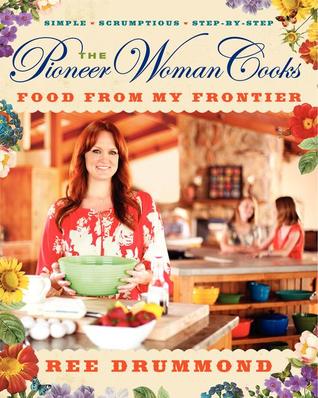
The Pioneer Woman Cooks: Food from My Frontier by Ree Drummond

Source: Public Library
Hardcover, 293 pgs.
I am an Amazon Affiliate

The Pioneer Woman Cooks: Food from My Frontier by Ree Drummond, which was a February book club pick, is a fantastic cookbook for novice cooks and those with a little more experience.  This cookbook not only provides step-by-step instructions that are easy to follow, uses items that are pre-prepared (such as Pillsbury Crescent Rolls), and offers alternative ingredients, but it also tells a story of frontier life and gives step-by-step photos to show what recipes look like throughout the process to ensure that those following along are doing things as close to her instructions as possible.  I found the instructions and pictures of each step very helpful; they kept me on track, which I need with a 4-year-old helping in the kitchen who tends to get me easily distracted and missing steps.

For Thanksgiving week, I made the Peach-Whiskey Chicken using chicken legs, but you can use breasts and other types of pairings and types of chicken.  The directions were easy to follow with the measurements laid out, though the times for cooking in each step were approximate depending on your stove type and some steps could take longer.  We thoroughly enjoyed these messy chicken legs, and while I had a hard time finding peaches — I ended up using frozen peaches — it was good to make something so tasty from scratch.  This was the recipe that took me the longest time to prepare.

For the actual Thanksgiving dinner, I made the Whiskey-Glazed Carrots — are you sensing a theme here? — which was a relatively simple recipe to follow, though it took me a bit to find the skillet I have that has a lid — many of my pans do not have lids.  There’s something I do each Thanksgiving — I make different types of carrots with the hope that I can get Anna‘s daughter to eat them.  She doesn’t like carrots very much.  So far, I’ve gotten 2 okays in the last couple of years.  I’ll take it.  Next year, I’ll find another recipe for carrots.

After the Thanksgiving holiday, I had a day off to do some editing and decided to take a break and make Apple Dumplings using Pillsbury Crescent Rolls.  Cutting the apples was the hardest part because I don’t own an apple corer for some reason, so I had to cut the apples into 8 pieces — no they were not the same size — and core them once I cut the apple.  The rest of the recipe was a breeze, though I didn’t use Mt. Dew as the recipe indicated.  I used the variation of ginger ale, and I think they came out really well.  I don’t often eat ice cream, but I bet these would taste delicious with some vanilla bean ice cream.

The Pioneer Woman Cooks: Food from My Frontier by Ree Drummond is delightful cookbook, filled with great recipes, anecdotes about frontier life, and advice on alternative recipes and pairings.  This is a cookbook I would recommend to anyone who wants to try something new but wants it kept simple.  I love that there are a variety of meals from spicy to mild, and the desserts in this book look so good just from the pictures.

About the Author:

Ree Drummond began blogging in 2006 and has built an award-winning website, where she shares recipes, showcases her photography, and documents her hilarious transition from city life to ranch wife. She is the author of the #1 New York Times bestselling cookbook The Pioneer Woman Cooks. Ree lives on a working cattle ranch near Pawhuska, Oklahoma, with her husband, Ladd; their four kids; their beloved basset hound; and lots of other animals.

How to Entertain, Distract, and Unplug Your Kids by Matthew Jervis

Source: Skyhorse Publishing
Hardcover, 192 pgs.
I am an Amazon Affiliate

How to Entertain, Distract, and Unplug Your Kids by Matthew Jervis is a great little collection of ideas for busy parents who want to keep their kids active, curious, and helpful around the house.  Building a fort in the living room or redecorating their own rooms can be activities that not only bring out their own creativity, but also can keep them occupied for an hour or more.  As a mom working from home, these activities will come in handy, though many of them I’ve already been doing, such as building a fort in the living room.  One of our other favorites is going shopping, where she gathers her things for the shopping trip, like bags and her purse and her babies, sets them up in the kitchen chairs (aka her car) and she drives them to the market, and while there she pushes them around in the cart and picks up various empty boxes of food that she needs for home.

“Kids don’t always want us on top of them telling them which screwdriver to use or how to throw a football.  Sometimes they just want to do and learn along the way on their own.  In most cases, kids get bored because they’ve tapped their shallow ‘idea’ reserve, and they simply require new input, new ideas…” (pg. 14)

Another section that’s helpful, beyond the one of indoor activities for those rainy days, is the one in which kids are set to work with household chores, but those chores are made into competitions, such as speed trials for sock matching.  Jervis also carefully reminds parents that they should offer an incentive, which in most cases should remain unnamed until the tasks are complete because if it’s something kids don’t want, they’re less likely to complete the task.  One of the best chapters was on getting kids into the kitchen, something my daughter does already.  I love the idea of having her plan a menu, though I think I might wait until her menu will consist of more than chicken nuggets and mac and cheese, which is what she suggests every time.

How to Entertain, Distract, and Unplug Your Kids by Matthew Jervis is not just about creating a space in which you have free time to do work or other chores, it also is about allowing kids to explore within certain limits the household chores and fun around them without the mindless entertainment of screens.  These activities will help them learn to think outside the box, explore new ways of building, making, and being.  If there are more kids in the house than usual, they also can be great team-building activities.  There are indoor, outside, in the car, and elsewhere activities, and many of these can be combined into super-activities.

Earth Joy Writing: Creating Harmony Through Journaling and Nature by Cassie Premo Steele, Ph.D.

Source: Ashland Creek Press
Paperback, 169 pgs.
I am an Amazon Affiliate

Earth Joy Writing: Creating Harmony Through Journaling and Nature by Cassie Premo Steele, Ph.D., is more than a book about creative writing.  It is a book that will help readers become more creative writers and thinkers through the connections they develop or re-establish between themselves, their family, and nature.  With the right conditions and frame of mind, creativity can grow from not only our own experiences, current interactions with nature, but also through reflection and looking at the unknown.  Steele breaks down the book into the different seasons — Winter, Spring, Summer, and Fall — and each section also has a monthly breakdown with writing exercises, reflections, and connecting with nature and emotions.

Readers will want to get a journal that they can use when reading this book, and they’ll want to do as Steele suggests and begin in the season and month that they are currently in, rather than start at the beginning of the book.  The book is laid out in a way that allows readers to tap into their current environment and season when writing or thinking creatively — generating a dialogue between themselves, nature, and potential readers of their own.  Beyond writing exercises and questions that readers can answer to start creating their own poems and stories, Steele also includes activities and experiences that will help frame the situation for those trying to be more creative.  For instance, she advises that readers take a trip to an art museum or look through an art book — not on the Internet — and journal about what piece of art strikes their fancy and encourages them to take the time to explore why.

Earth Joy Writing: Creating Harmony Through Journaling and Nature by Cassie Premo Steele, Ph.D., is a unique book about inspiring writers to think more creatively and to draw on nature to tap into their own creativity.  The book is about becoming more observant, less stressed, and more focused on connecting with nature, our natural selves, and those around us.  In this hyper-connected, Internet world, many of us find that we have over-scheduled our lives, and this book will help us slow down.  This is a book that will remain with those “prime” writing books in my workspace — one I’ll be using in the future.

About the Author:

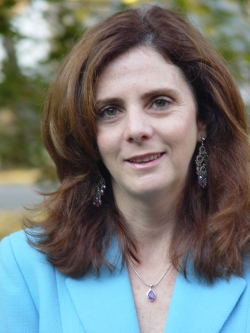
Cassie Premo Steele, Ph.D., is the author of twelve books and audio programs on the themes of creativity, healing, and our connection to the natural world. She works as a writing coach with clients internationally.  Check out her website and the Earth Joy Writing website.  (Photo credit: Susanne Kappler)


Giggle Poetry Reading Lessons by Amy Buswell and Bruce Lansky

Source: LibraryThing Early Reviewers
Paperback, 96 pages
On Amazon and on Kobo

Giggle Poetry Reading Lessons by Amy Buswell and Bruce Lansky, illustrated by Stephen Carpenter is a guide for educators and parents who have students in grades 2-5 who struggle with reading and comprehension.  In the introduction, the authors state that no matter how good a remedial program is, it cannot improve readers’ skills if they are disengaged.  Rather than require these struggling students to read text they find boring, why not create a program with texts that students don’t want to put down — the premise of this book.

Using the poems of Bruce Lansky, which Buswell says have been kid tested, she says that her program accompanied by illustrations from Stephen Carpenter enabled 95 percent of students to demonstrate marked improvement in their reading and 90 percent showed gains in comprehension.  There are a number of tips broken down for both teachers and parents to help their child improve their reading fluency.  There is a lesson plan overview and an explanation of how the lesson supports the goals of the Common Core State Standards, which have been adopted in more than 40 states.

A Brave Little Fellow Named Brian (page 16)

A brave little fellow named Brian
went for a ride on a lion.

When Brian got bit,
the lion got hit.

So now it's the lion
who's cryin'.

There are performance tips on each page where the poems are written out and illustrated, because parents and teachers know that younger readers prefer when you can gesture or demonstrate action beyond raising and lowering the pitch of your voice when reading aloud.  Anything to make the poem come alive can help the readers stay engaged.  While this is geared for readers older than my daughter, she and I have been reading along together for some time, and she’s beginning to recognize words in books we’ve read before.  As she continues on her reading and learning, this book will be an excellent supplement to what we already do and what she will begin doing when she gets to kindergarten in a couple of years.

Giggle Poetry Reading Lessons by Amy Buswell and Bruce Lansky, illustrated by Stephen Carpenter has engaging poems that are funny and unexpected, but it also has substantive lessons that can help students overcome not only their fears of reading but other troubles in their lives.  These poems will help them deal with embarrassing situations, other emotions, and situations that surprise them.

About the Authors:

Amy Buswell is a reading specialist who teaches in West Palm Beach, FL. Her entertaining “reading lessons” have dramatically raised the reading skills and scores of the students who attended schools at which she has taught.

Bruce Lansky has edited a number of poetry anthologies (including Rolling in the Aisles, Kids Pick the Funniest Poems, If Kids Ruled the School, A Bad Case of the Giggles, Miles of Smiles, and No More Homework! No More Tests!), and 3 silly songbook anthologies. Lansky created the popular GigglePoetry.com website for children and the PoetryTeachers.com website for teachers. He also created the Girls to the Rescue series, the New Fangled Fairy Tales series, and the Can You Solve the Mysteries series.

Stephen Carpenter is the illustrator who has helped 16 “Giggle Poetry” books come alive with hilarious illustrations. He lives just outside Kansas City with his wife, Becki, and their sheepdog, Lulu.

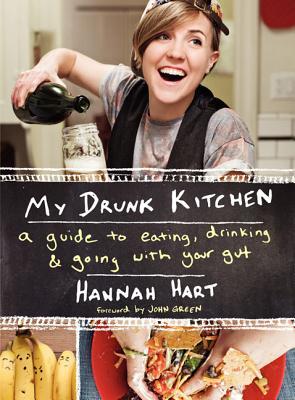
My Drunk Kitchen by Hannah Hart

Source: HarperCollins
Hardcover, 240 pages
On Amazon and on Kobo

My Drunk Kitchen: A Guide to Eating, Drinking, and Going With Your Gut by Hannah Hart is a more how-to guide for noncooks and those who have few resources on hand.  In many ways this is not your ordinary cookbook — yes there are ingredients listed but they are mostly suggestions, and there are few if any step-by-step instructions on how to recreate Hart’s creations.  “Unconventional” is one word to describe this cookbook, and another would be “fun.”  This is a cookbook about having fun in the kitchen, getting creative, and inviting your friends to join in the frenzy — and alcohol always helps.  Hart lets readers into her life and her kitchen — from her younger years in the lunchroom scrounging among friends to fill her belly with various concoctions of candy and crackers, etc.

From this cookbook, we selected Pizzadilla for my birthday party last weekend, which requires sauce, shredded cheese, and tortillas.  The recommended drink with this is cold beer of course, and we happened to have Sam Adams in the house.  You smear the sauce on the tortilla and then add the cheese before putting another tortilla on top — you can stack these on top of one another to make them taller — put them in the oven to cook.  It looks as though this requires some babysitting as there is no temperature listed for the oven, nor is there a time for cooking listed.  You’ll have to keep an eye out for the browning of the tortilla and the melting ooze of the cheese.  You can cut these into slices with a butter knife.  These all came out great within about 10 minutes or so on 350 degrees.  Everyone seemed to enjoy them, and we think they could be filled with other toppings, like peppers, mushrooms, pepperoni, and other meat.

My Drunk Kitchen: A Guide to Eating, Drinking, and Going With Your Gut by Hannah Hart is a fun cookbook for those not too worried about timing things and directions, who are interested in making creative dishes in the kitchen.  Beyond single people, bachelors, and drunk cooks, this book could be helpful in introducing kids to cooking.  It is humorous and fun.

***Silly me, we forgot to take photos of the creations, but perhaps we were too drunk.***

About the Author:

Hannah Hart, sometimes nicknamed Harto, is an American internet personality, comedian and author. She is best known for starring in My Drunk Kitchen, a weekly series on YouTube in which she cooks something while intoxicated. Apart from her main channel, she also runs a second channel where she talks about life in general and gives her opinions on various topics. She also has written a cooking book named My Drunk Kitchen – a guide to eating, drinking, and going with your gut.

47th book for 2014 New Author Challenge.

Vietnam: The Real War with introduction by Pete Hamill

Source: Gift
Hardcover, 304 pages
I am an Amazon Affiliate

Vietnam: The Real War with introduction by Pete Hamill is a coffee table book that is heavy with photographic evidence of war, the burdens soldiers and civilians carry from those conflicts, and the moral ambiguity soldiers find themselves mired in when faced with unexpected death.  There are images in this collected visual and textual history that will haunt readers for years to come, but the story told in these pages through the eye-witness accounts of journalists who thrust themselves in combat alongside soldiers should make the harsh realities of war even more frightening for those of us who merely read history and have not lived it as a pawn in a larger strategic game of politics and nationalism.

“Most of the experienced correspondents in Saigon doubted that many Viet Cong hidden in their jungle spider holes were debating the Marxist theory of surplus value.  Nationalism was a much more powerful motivator.  They definitely wanted to get the foreigners the hell out of their country.”  (page 21)

Even with all that is known about the war and the inflated body counts made by the U.S. military during the war, there are still some great unknowns and even some smaller more poignant ones for the families of journalists and soldiers lost in Vietnam.  For instance, did the January 1952 bombings in Saigon really happen because of the Viet Minh, the predecessor to the Viet Cong, or was it U.S. intelligence agents?  And what really happened to Sean Flynn, a freelance photojournalist and son of the actor Errol Flynn, in the early 1970s — was he killed in action or captured?  Lest readers think that photojournalists and reporters were kept back at the barracks or the camps, this book sheds light on just how dedicated these journalists were and how close to the action they had been — some of them taking photos only to drop their cameras and help civilians, soldiers, or become wounded themselves.

There are, of course, the most famous images from the Vietnam war from the Associated Press, including the Buddhist Monk who set himself on fire in the streets, the young girl running naked after Napalm was dropped on her and other civilians by the U.S. military, or the shooting of an unarmed Viet Cong after capture in the Saigon street.  But there are other photos that show the beauty of Vietnam, including an aerial view of the newly plowed rice paddies and the pristine beaches, as well as the most mundane activities — watching a soldier shave while battle surrounds him or men on their way to bathe in towels while still carrying their weapons.  Sad photos stretch across these pages from the unknown soldier who looks too young to be in battle, wearing a helmet with the phrase “War Is Hell” written across it or the woman who pleads to be evacuated with her wounded husband, but is left behind.

Vietnam: The Real War is heavy in subject and content. It should give readers pause. The text accompanying the photos and the background on the war are to the point and provide enough detail without getting bogged down too heavily in the politics or the perspectives floating around in hindsight. An excellent starter for those looking to learn more about the war.

About the Author:

The Associated Press won an unprecedented six Pulitzer Prizes for its coverage of the Vietnam War. To create this book, the agency selected 300 photographs from the thousands filed during the conflict.

Pete Hamill is an American journalist, novelist, essayist, editor, and educator. The recipient of numerous awards, Hamill is currently a Distinguished Writer in Residence at the Arthur L. Carter Journalism Institute at New York University.

19th book (Vietnam War) for the 2014 War Challenge With a Twist.


44th book for 2014 New Author Challenge.

The Artist’s Way for Parents by Julia Cameron

Source: Finn Partners and Penguin
Hardcover, 288 pages
I am an Amazon Affiliate

The Artist’s Way for Parents: Raising Creative Children by Julia Cameron with Emma Lively and foreword by Domenica Cameron-Scorsese is less a how-to manual of creative activities for parents to engage in with their children, and more of a series of situations to emphasize the advice Cameron gives about how to cultivate creativity in children and ourselves.  From providing children with simple tools like paper and colored pencils to paints and free time on their own, rather than televisions, computers and video games, Cameron says that parents must adjust to new routines that incorporate their children, but also must remain open to creating a safe place in which children and parents can act creatively.

Each parent should begin by writing three pages per day of their thoughts and feelings before their child gets up for the day or even during snatches of quiet time, just to clear the decks.  Secondly, parents and children (depending on their age) embark on a once-weekly dual adventure, something that can be looked forward to, such as going to the zoo or a museum.  The final tool she offers is creating a bedtime ritual, which can either be reading a bedtime story together, singing songs, sharing the day’s highlights, and many other ways of unwinding.  Some great activities that can be done together including sharing the creation of meals with children through simple recipes, cutting out holiday decorations each season, visiting a florist or pet store to talk about each species and its requirements, and learning how to make instruments out of household objects.

Another part of the process is to create a creativity corner for both parent and child, which is where projects can be worked on together or in the same room but separately.  Cameron also talks about the benefit of allowing children to explore their own creativity without parents over-directing or re-directing their children’s activities.  One great aspect of the book is the discussion on reading together but separate books, and how that it is still considered sharing quality time together even if the parent and child are doing separate activity.  Separate activities in the same space are just as good as working together on projects, so long as the parent and child share their experiences with one another through discussion.

There are moments that come off preachy about faith and God, but overall the message is about nurturing children and their creativity without neglecting the well being of the parent or their own creativity.  It’s about seeing the possibilities in ourselves and our children without hindering growth and exploration.  The Artist’s Way for Parents: Raising Creative Children by Julia Cameron with Emma Lively and foreword by Domenica Cameron-Scorsese is a solid book that helps parents create the right mindset for themselves and their children, but only offers a few activities to consider.

About the Author:

Julia Cameron has been an active artist for more than thirty years. She is the author of more than thirty books, fiction and nonfiction, including her bestselling works on the creative process: The Artist’s Way, Walking in This World, Finding Water, and The Writing Diet. A novelist, playwright, songwriter, and poet, she has multiple credits in theater, film, and television.

Latest endeavor: Julia Cameron Live, an online course and artists’ community led by Julia. It is the most comprehensive discussion she has ever done on The Artist’s Way, and the first time she has allowed cameras in her home.

These are my 69th book for the 2013 New Authors Challenge.

Handling the Truth by Beth Kephart

Source: Purchased from Hooray for Books
Paperback, 252 pages
I am an Amazon Affiliate

The best teachers are those that give of themselves freely to their students and their craft, and with reference books available on various ways to write, what to write, and when to write, many will glance at yet another writing reference and dismiss it out of hand. What does that mean? That those people are fools — for Handling the Truth: On the Writing of Memoir by Beth Kephart, released today, is not a reference, it is a memoir about writing memoir (marking a 6th memoir from her). It is a reference guide written from the perspective of a teacher and writer on how to approach a genre riddled with scandal and debunked by naysayers.  Not only does she peel back the layers that can and should be part of memoir creation, but she also peels back her own experiences and perspective to shed light on the hard work memoirists should expect of themselves.

“Teaching memoir is teaching vulnerability is teaching voice is teaching self.”  (page xii)

“Some of the best memoirs are built not from sensate titillations but from the contemplation of universal questions within a framed perspective.” (page 10)

She shares her favorite places, her favorite music, her favorite memoirs, and her students’ work, and she begs that anyone interested in writing memoir do it because the story must be told and is relate-able to someone outside the self.  Writing the genre requires the writer to be as honest with herself as she can be and to fill the gaps in memory with facts from documents or cross-referencing conversations and moments with those that share the memory.  Reading this reference memoir is like getting to know Kephart on a personal level, but it’s also about getting to know the writer inside you — the one that wants to write the book but doesn’t know where to start.  Although this advice is geared toward those who wish to write their own personal histories, there is sage advice for other writers — fiction writers struggling with what tense to put their book in, for example.

On Mark Richard’s memoir House of Prayer No. 2, she says, “He does it because, in this case, the you is more intimate, more forgiving, more moving than the I ever will be.  It enables Richard to say things about himself and his ungodly circumstance that would be otherwise unthinkable.”  (page 46)

Readers and writers will love the explanations, which are peppered with examples from other writers’ memoirs to demonstrate why certain forms and styles are selected, because at Kephart’s core is a dedicated teacher.  It is these dedicated people who write the best reference books because they put more of themselves and more of their passions into writing them, making them innately more engaging and interesting than other reference guides that merely spout out bullet point advice and little else.  Kephart not only references the memoirs she loves, pulling apart the choices authors made in creating them, but also the ways in which she gets students (and now the readers of her book) to think about memoir and their own lives.  Writing exercises that not only focus on early memories, but also the backgrounds of photos (which can be like those fuzzy memories that have little detail) and poems (from some of my favorites like Ted Kooser).

“A way of eating passes away with your mother.  How you held the sugar on your tongue.  How you stirred the crumbled cheese into the oiled broth.  How you savored the sweet grit of flour in the gravy pot, and the thick pink of the beef, and the heated pear with its nutmeg top, and the brownies with the confectioner’s crust.  You will dig through the freezer at your father’s house, mad for one last frozen roll of checkerboard cookie dough, one Tupperware of thick red sauce, one crystallized slice of eggplant parmesan.  You will burn your fingers with the cold.  Your mother’s cooking will be gone.”  (page 92)

But at all costs, she reminds us that “writing is a privilege,” and that privilege should NEVER be taken lightly.  Effectively, she dispels the myths about memoir, explains what memoir is not, and ensures readers and writers look deeper than the memories and events in their lives to uncover the recurring themes, which could provide insight to others and generate empathy, if not understanding and connection.  More importantly, she reminds readers that memoirs by-and-large leave huge chunks of people’s lives off the page, despite the journaling, writing, and researching done into every aspect.  Handling the Truth: On the Writing of Memoir by Beth Kephart is an intelligent, passionate reference that not only guides writers on how to tackle memoir writing, but also inspires them to read the memoirs of others and to learn from, as well as advising them on how to live with openness and curiosity.

***I don’t have too many writing reference books because I only keep the ones that speak to me and offer the best advice, and each of those is chock full of sticky flags, and Kephart’s book is going on that shelf.***

Also, check out how this book made me almost cry when reading it.

About the Author:

Beth Kephart is the author of 10 books, including the National Book Award finalist A Slant of Sun; the Book Sense pick Ghosts in the Garden; the autobiography of Philadelphia’s Schuylkill River, Flow; the acclaimed business fable Zenobia; and the critically acclaimed novels for young adults, Undercover and House of Dance. A third YA novel, Nothing but Ghosts, is due out in June 2009. And a fourth young adult novel, The Heart Is Not a Size, will be released in March 2010. “The Longest Distance,” a short story, appears in the May 2009 HarperTeen anthology, No Such Thing as the Real World.

Kephart is a winner of the Pennsylvania Council on the Arts fiction grant, a National Endowment for the Arts grant, a Leeway grant, a Pew Fellowships in the Arts grant, and the Speakeasy Poetry Prize, among other honors. Kephart’s essays are frequently anthologized, she has judged numerous competitions, and she has taught workshops at many institutions, to all ages. In the fall of 2009, Kephart will teach the advanced nonfiction workshop at the University of Pennsylvania.

My City, My Los Angeles by Jeryl Brunner

My City, My Los Angeles by Jeryl Brunner, author of My City, My New York (my review), is another book, published in April 2013, that offers some stunning sights and out-of-the way places for tourists to visit.  In Los Angeles, Brunner finds that the actors, actresses, and other celebrities that live there have a lot of advice and stories to share.  Shaun White and Luanne Rice are just some celebs offering their advice in the section on Beaches, Gardens, Hideaways, and Secret Spots, while Lisa Ling and Josh Groban are among those offering advice on the best places to eat.  There’s also advice from nocturnal places to stores, markets, and spas, and sexy spaces to saunters, sails, rides, hikes, and drives.  What’s interesting is that more than one celebrity has said that it takes about 20 years to get used to living in Los Angeles, including Ruth Vitale.

For a newbie to Los Angeles, Brunner’s guide will likely make them feel like an insider, while still ensuring that they hit all the top touristy spots.  In addition to information about each location discussed by the celebrities, readers are given an inside look into the impressions and reasons why celebrities enjoy a particular space and what that space provides them.  Molly Shannon says about the Annenberg Community Beach House, built by William Randolph Hearst for his mistress, “I love the idea that I’m swimming in the mistress’s pool.” (page 4)  Readers will enjoy the back stories as actors and others talk about how they came to Los Angeles, and how they take stay-cations with their spouses to enjoy the sights around them that they normally don’t get to see because they are too busy.

Pink’s has the best hot dogs.  I like the spicy polish because I’m spicy Polish,” says Richard Dreyfuss.  (page 37)

From producers to city councilmen, Brunner has interviewed a wide range of Los Angeles residents to ensure readers get the most varied information possible.  What’s clear from all of these accounts is that LA is right in the middle of everything from beaches to mountains and hiking as well as museums, gardens, some of the best food, and more.  In the more category is the one story of how Celebrity Autobiography began with Eugene Pack and Dayle Reyfel just reading out loud at a fun space from memoirs of celebrities for fun, and then it grew organically from there.  This story and others seem to be a testament to how artists can create fun and a rewarding project without realizing it — all in a space devoted to nocturnal fun, mingling, and most likely drinking.

One of my favorite openings to a section is in Stores, Markets, & Spas, where Brunner quotes Patti Smith’s plea that we not abandon the paper book and Natalie Compagno’s connection to books from a young age and her determination to buy a closing bookstore devoted to books on travel.  Readers will want to sink into Mandy Patinkin’s Beverly Hot Springs and visit any of the farmer’s markets in the LA area, as well as the unforgettable The Cheese Store of Silver Lake.

My City, My Los Angeles by Jeryl Brunner will make readers’ mouths water for the food in the city and for the relaxation to be had on the beaches and in the mountains.  But more than that, she provides an insider’s look at an American icon.  It makes me want to visit LA, how about you?

***Now I’d love to see one about Washington, D.C.***

About the Author:

For author and journalist, Jeryl Brunner, a good interview is like a tango – complex, soulful, fiery, exciting and illuminating. And she’s been dancing for years, contributing to a variety of publications including O, the Oprah Magazine, National Geographic Traveler, Travel + Leisure, Delta Sky, Elle.com, ForbesTraveler.com, Four Seasons, People, Us Weekly, Brides, Parade, AOL and Huffington Post.

Six Sisters’ Stuff: Family Recipes, Fun Crafts, and Much More & 4×4 Dinner Giveaway/Challenge

Six Sisters’ Stuff:  Family Recipes, Fun Crafts, and So Much More! is a flexible paperback cookbook that not only includes gorgeous photos of entrees, appetizers, and desserts, but also a variety of crafts to keep your kids occupied and to dress up the table.  Camille, Kristen, Elyse, Stephanie, Lauren, and Kendra are biological sisters and know what it means to have a busy life, but they still make time for family dinners and this book includes 100 easy-to-follow recipes using ingredients commonly found in your pantry.

The full-color photos in this cookbook will make your mouth water even if you’ve just eaten dinner.  From the main meals to the slow cooker meals, these women have made cooking for a family incredibly easy and simple with these recipes.  There are salads, sides, and breads, plus dessert — oh, the dessert.  (I made one for book club, see photos and reaction below)  But this book is not only about the food and having family meals together, but it also is about spending time with family whether it’s on a road trip or inside on a rainy day (I’ll be testing these out in the coming weeks).

There are projects ranging from creating simple decorations like a snowman out of blocks and felt bows to more complex projects like bookshelves made out of pallets.  These projects are sure to occupy family members and make the house look more beautiful.  The sisters also offer advice on spring cleaning, which may seem like common sense but for a first time homeowner with a new kid the task can be overwhelming.  There also are healthy snack ideas, fun date ideas to keep the romance alive, and a weekly breakdown on how to build a 72-hour emergency kit for the entire family.

Six Sisters’ Stuff:  Family Recipes, Fun Crafts, and So Much More! is appealing to look at, create from, and learn.  It’s not only about cooking a healthy meal in a short amount of time with the ingredients on hand, but it’s also focused on ensuring that family time becomes a priority.  Readers will have no choice but to dig in and start creating.  Delicious family recipes ready to fill watering mouths and simple crafts to spruce up any busy home.

My baking experience with Mom’s Chocolate Marshmallow Brownies:

As is usual with me, I was pulled in a hundred different directions and had to improvise the recipe, though I do plan to make this recipe the way it is written at some point.  I wanted to make these for book club in February, but with little time, I turned to my favorite box brownie mix, Ghirardelli Dark Chocolate Brownie mix, which never fails me.  And I quickly found the brownie pan I chose would require me to use 2 boxes, which met the hubby had to run out and get a second box.

But then I made the Chocolate frosting from the recipe for on top of the marshmallows.  The recipe called for 2-3 cups of powdered sugar, but I found out quickly that 2 cups was too little because the frosting was soupy, so I had to make it 3 cups for the right consistency.  Once I got the frosting made, i spread it on top of the marshmallows (which I really didn’t need the whole bag of).

The pan must have still been a bit warm because the frosting melted a little too much over the marshmallows, making it an even gooier mess than I expected, but it didn’t seem to matter to the book club members who were eager to try it.  I just had to have the first piece, and one of the corners, since those are my favorite!  I took a close up of one piece to share with everyone.  YUM!

Six Sisters photoAbout the Six Sisters:

In February 2011, we started our blog SixSistersStuff.com. After years of living close to one another, we were being pulled in many different directions- one sister moved to the West coast, another sister followed her husband to medical school, one moved away to college, and another sister had just lost a baby. We needed each other now more than ever and we used our blog as a way to stay in touch.

Before we started blogging, we were constantly calling each other for recipe ideas, craft projects, and ways to keep our children entertained during those long winter days. The blog was the perfect way for us to share those ideas with each other and we were having so much fun doing it. We are all busy, whether it’s with our kids, jobs, school, husbands, community involvement, or something else eating up our time, so all the recipes and projects you will find on this blog are quick and easy! Our recipes are family favorites that use ingredients that can commonly be found in your pantry and our crafts and home decor projects can be made with little or no money. We don’t claim to be amazing chefs- we just know the importance of feeding your family a home-cooked meal and sitting down to eat it together.


This is my 12th book for the 2013 New Authors Challenge.


About the 4×4 Dinner Challenge:

4X4 dinner challenge

  • Pledging to accept the 4×4 Dinner Challenge means the family will eat together at least four times per week for four weeks.
  • Families are encouraged to register online, and they will receive meal tips, ideas for family activities, and helpful recipes to make meeting the challenge easy.

To win a copy of this colorful cook book, do the following:

  1. Like the Six Sister’s STUFF Facebook page and join the 4×4 Dinner Challenge
  2. Click the 4×4 Family dinner banner on the Website (on the right sidebar) and leave a comment joining the challenge.
  3. Come back here and leave a comment on this post about what you’d like to check out in Six Sisters’ Stuff.

Deadline to enter is March 10, 2013, at 11:59 PM EST.