 Flesh by Khanh Ha is dark and dreamlike. Tai’s coming of age story is fraught with trauma and hardship, but he maintains his determination and remains grounded despite the beheading of his father at the hands of his granduncle in Northern Vietnam. Ha has woven a dark love story within Tai’s trip through adolescence that takes him to Hanoi and other places as he searches for the man who turned in his bandit father to the authorities. Part dark adventure, Tai is thrown into the world of Vietnam’s opium dens and indentured servitude as his mother barters him away to pay for a safe, final resting place for his father and younger brother.
“He could not tell which one was my father’s as he passed under the banyan tree. Those were the same heads he saw in the rattan baskets, but now they had no eyes, only black sockets with grubs crawling in them. He spotted a hole bored under each jaw, and a rod was pierced through it to the top of the skull and into a limb. The heads looked out in different directions, and in the early morning light they bore a pinched look neither of hurt nor sorrow.” (page 18)
Each chapter reads like a short story, a memory recalled by Tai about his journey and the impact is at once immediate and lasting. Readers are piggybacking on Tai’s shoulders as he runs through the jungles of Tonkin and the streets of Hanoi as the dark, mysterious Frenchman chases him and he bumps into Xiaoli, a young Chinese girl working in an opium den. Ha’s prose is poetic as it paints the scene in which you can smell the opium, see and hear the brown of Tai’s village and the busy streets of Hanoi, and feel the delirium of smallpox or his pulse quicken as he begins to fall in love.
“The bank was steep. I was a salamander, half naked, creeping on the clay soil, seizing knotty vines that bulged across the incline. The dark odor of sundered organics. Lying flat on the ridge of the bank, I felt unusually warm, and then a suffocating heat hazed my eyes.” (page 42)
Tai’s journey is through darkness and fear, and Ha raises questions of nurture vs. nature — whether we are only who we are because of who our parents were or the circumstances in which we were raised. From the atmosphere to the myths and legends, Ha generates a novel that will capture readers from the beginning, but there are times when the dialogue is a bit trite and wooden. However, as there is little dialogue per se and that dialogue is often between characters that know little of the other’s language, it can be forgiven.
Flesh by Khanh Ha is a stunning debut novel that showcases the writer’s ability to become a young male narrator whose view of the world has been tainted by his life circumstances and tragedy, but who has the wherewithal to overcome and become a better man. Through a number of twists and turns, Tai must come to terms with the loss of his father, his obligations as the remaining male member of his family to care for his mother, and the secrets that his culture and family hide.
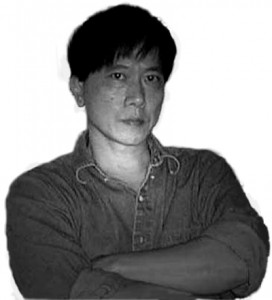 About the Author:
Khanh Ha was born in Hue, the former capital of Vietnam. During his teen years he began writing short stories which won him several awards in the Vietnamese adolescent magazines. He graduated from Ohio University with a bachelor’s degree in Journalism. Flesh is his first novel. He is at work on a new novel.
Visit the author at his website.

Click for Tour Stops
 This is my 46th book for the 2012 New Authors Challenge.